
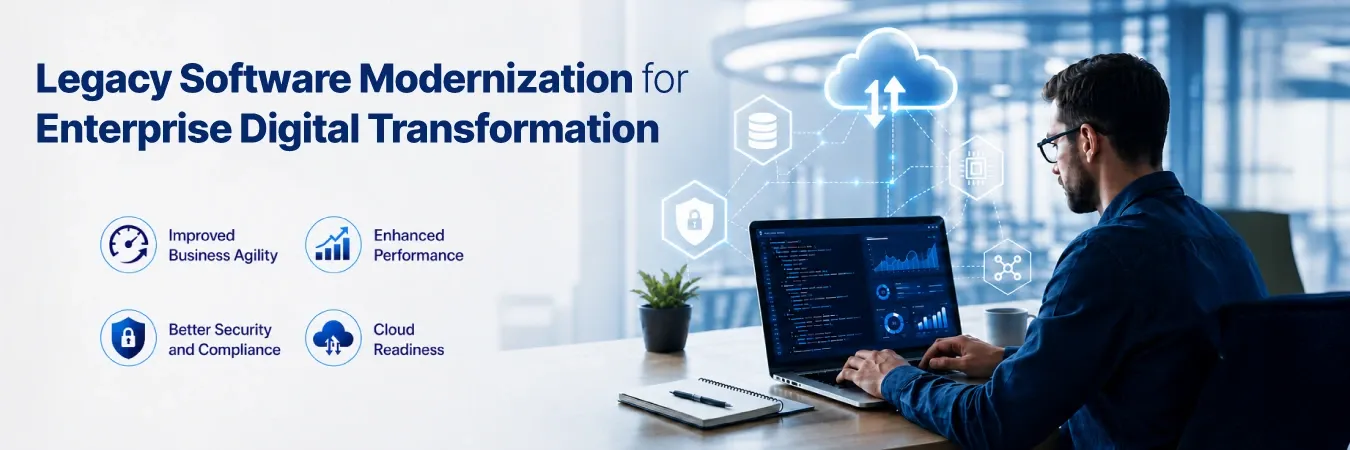
Legacy Software Modernization for Enterprise Digital Transformation
In today’s rapidly evolving digital landscape, organizations are under constant pressure to innovate, improve operational efficiency, and deliver exceptional customer experiences. However, many enterprises still rely on outdated software systems that were developed decades ago. While these legacy applications continue to support critical business operations, they often limit agility, increase maintenance costs, and hinder digital transformation initiatives.
This is where legacy software modernization becomes a strategic necessity rather than a technology upgrade. By modernizing legacy systems, businesses can improve performance, enhance security, integrate with emerging technologies, and create a future-ready digital ecosystem.
At Fidel, we help enterprises modernize legacy applications with minimal disruption, enabling them to embrace innovation while preserving the value of their existing investments.
Why Legacy Software Modernization Is Essential for Modern Enterprises?
Legacy applications often form the backbone of enterprise operations. However, over time they become increasingly difficult to maintain due to outdated programming languages, aging infrastructure, limited scalability, and a shrinking pool of skilled developers.
Legacy software modernization enables organizations to overcome these limitations by transforming existing applications into modern, scalable, and secure solutions without completely rebuilding business processes from scratch.
Some common challenges associated with legacy systems include:
- High maintenance and operational costs
- Security vulnerabilities and compliance risks
- Poor user experience
- Limited integration with cloud platforms and modern applications
- Slow response to changing business requirements
- Difficulty supporting remote and hybrid work environments
Modernizing these systems empowers organizations to stay competitive while improving business resilience.
Benefits of Legacy Software Modernization Services
Choosing professional legacy software modernization services provides organizations with a structured approach to transforming outdated applications while minimizing operational risks.
Key benefits include:
1. Improved Business Agility
Modern applications allow organizations to respond quickly to market demands, launch new features faster, and support continuous innovation.
2. Enhanced Performance
Modernized systems offer faster processing speeds, improved reliability, and optimized application performance across multiple platforms.
3. Better Security and Compliance
Older software often lacks support for today’s cybersecurity standards. Modernization introduces stronger authentication, encryption, monitoring, and compliance capabilities.
4. Cloud Readiness
Modern applications can leverage cloud-native architectures, enabling better scalability, disaster recovery, and cost optimization.
5. Lower Long-Term Costs
Although modernization requires an initial investment, reducing maintenance complexity and eliminating outdated infrastructure significantly lowers total cost of ownership over time.
6. Improved Customer Experience
Modern interfaces, mobile accessibility, and faster response times enhance customer satisfaction while improving employee productivity.
Choosing the Right Legacy Software Modernization Service Strategy
Every organization has unique business objectives, technology environments, and operational challenges. Therefore, selecting the appropriate legacy software modernization service strategy is critical.
Common modernization approaches include:
Application Rehosting
Also known as “lift and shift,” this involves migrating applications to cloud infrastructure without major code changes.
Best suited for:
- Quick cloud migration
- Reduced infrastructure costs
- Minimal application changes
Application Refactoring
Refactoring improves application architecture while preserving existing functionality.
Benefits include:
- Better scalability
- Improved maintainability
- Faster deployment cycles
Application Reengineering
This involves redesigning significant portions of the application to align with modern business requirements and technologies.
Ideal when:
- Existing architecture is outdated
- Business processes have evolved
- New digital capabilities are required
Replatforming
Applications are migrated to modern platforms with limited modifications to optimize performance and compatibility.
Complete Application Replacement
In situations where legacy systems no longer provide business value, replacing them with modern enterprise solutions may be the most effective option.
An experienced modernization partner evaluates technical complexity, business impact, costs, and future scalability before recommending the best approach.
Why Experienced Legacy Software Modernization Developers Matter?
Successful modernization projects require more than technical expertise—they demand a deep understanding of enterprise architecture, business processes, integration challenges, and risk management.
Professional legacy software modernization developers help organizations:
- Analyze existing application architecture
- Identify modernization opportunities
- Preserve critical business logic
- Minimize migration risks
- Ensure seamless integration with modern technologies
- Reduce application downtime
- Maintain data integrity throughout migration
Experienced developers also create phased modernization roadmaps that reduce operational disruptions while delivering measurable business outcomes.
The Role of a Legacy Software Modernization Expert
Partnering with a legacy software modernization expert helps organizations make informed technology decisions while avoiding common modernization pitfalls.
A modernization expert typically assists with:
Legacy System Assessment
Comprehensive evaluation of:
- Current technology stack
- Application dependencies
- Security posture
- Technical debt
- Infrastructure limitations
Modernization Roadmap
A strategic roadmap outlines:
- Business priorities
- Migration phases
- Technology recommendations
- Cost estimates
- Risk mitigation strategies
Technology Selection
Experts recommend the most suitable technologies, including:
- Cloud platforms
- Microservices architecture
- Containerization
- APIs
- AI-enabled automation
- Modern databases
Governance and Risk Management
Large-scale modernization projects require careful governance to maintain compliance, security, and business continuity throughout implementation.
Modern Technologies Powering Legacy Software Modernization
Today’s modernization initiatives leverage advanced technologies to maximize business value.
Some of the most widely adopted technologies include:
- Cloud computing
- Artificial Intelligence (AI)
- Machine Learning (ML)
- Robotic Process Automation (RPA)
- Microservices architecture
- Containers and Kubernetes
- RESTful APIs
- DevSecOps
- Low-code and no-code platforms
- Data analytics and business intelligence
These technologies help organizations build scalable, resilient, and intelligent enterprise applications.
Industries Benefiting from Legacy Software Modernization
Organizations across industries are investing heavily in modernization initiatives.
Major sectors include:
- Manufacturing
- Banking and Financial Services
- Insurance
- Healthcare
- Retail and E-commerce
- Automotive
- Telecommunications
- Government
- Logistics and Supply Chain
- Education
Each industry faces unique compliance, operational, and customer experience requirements that modernization helps address.
Why Choose Fidel for Legacy Software Modernization?
At Fidel, we combine decades of enterprise technology expertise with deep digital engineering capabilities to help organizations modernize complex legacy environments.
Our modernization approach focuses on business outcomes rather than simply replacing technology.
Our capabilities include:
- Legacy application assessment
- Enterprise architecture consulting
- Cloud migration
- Application reengineering
- API integration
- DevOps implementation
- Data migration
- Security enhancement
- Performance optimization
- Ongoing application support
Whether organizations are modernizing ERP platforms, manufacturing systems, enterprise applications, or customer-facing software, our experienced team delivers scalable, secure, and future-ready solutions aligned with long-term business goals.
Conclusion
Digital transformation cannot succeed if organizations remain constrained by outdated technology. Legacy software modernization enables businesses to unlock greater agility, improve operational efficiency, strengthen security, and prepare for future innovation.
By partnering with experienced legacy software modernization developers, leveraging comprehensive legacy software modernization services, and working alongside a trusted legacy software modernization expert, enterprises can reduce technical debt while maximizing the value of their existing investments.
At Fidel, we help organizations confidently transform legacy applications into modern digital platforms that support growth, innovation, and long-term business success. Whether you require a complete legacy software modernization service or a phased modernization strategy, our experts are ready to guide your digital transformation journey.
To know more about our services, connect with us at sales@fidelsoftech.com.
Ref. No – FB07261111
Related Blogs
A Smarter Power BI Alternative: Spoggle AI
The data analytics landscape is changing fast. Businesses that once relied on traditional BI tools like Microsoft Power BI are increasingly finding...
Choosing Between Outsourcing vs Staff Augmentation for Software Development
Are you looking to develop a software solution for your company but wondering whether to go for outsourcing vs staff augmentation? Then, let us tell...
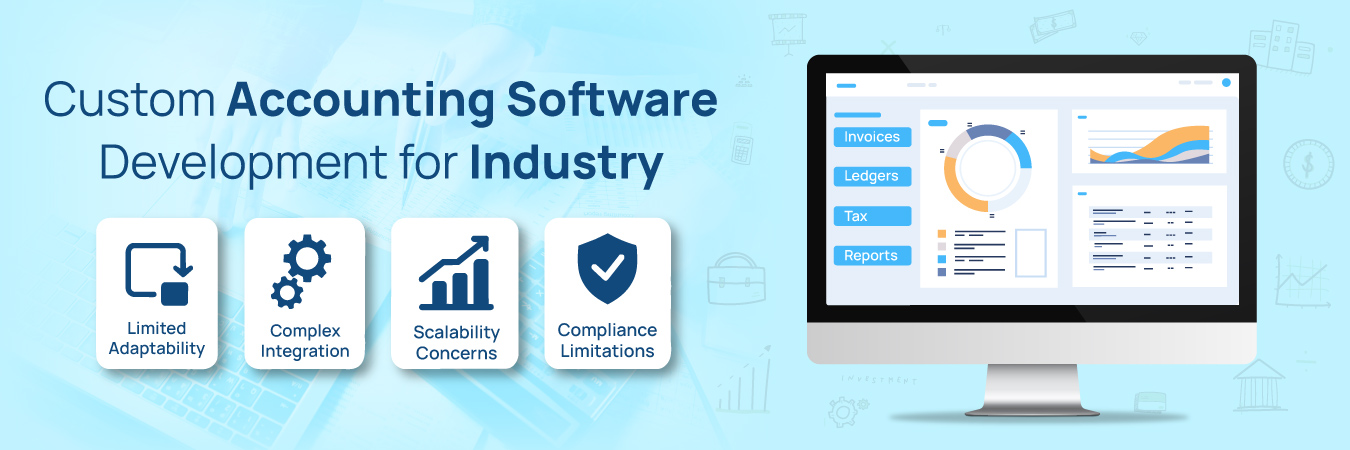
Custom Accounting Software Development for Industry-Specific Needs
Custom accounting software development becomes essential when businesses rely on accounting systems that promise universal compatibility,...